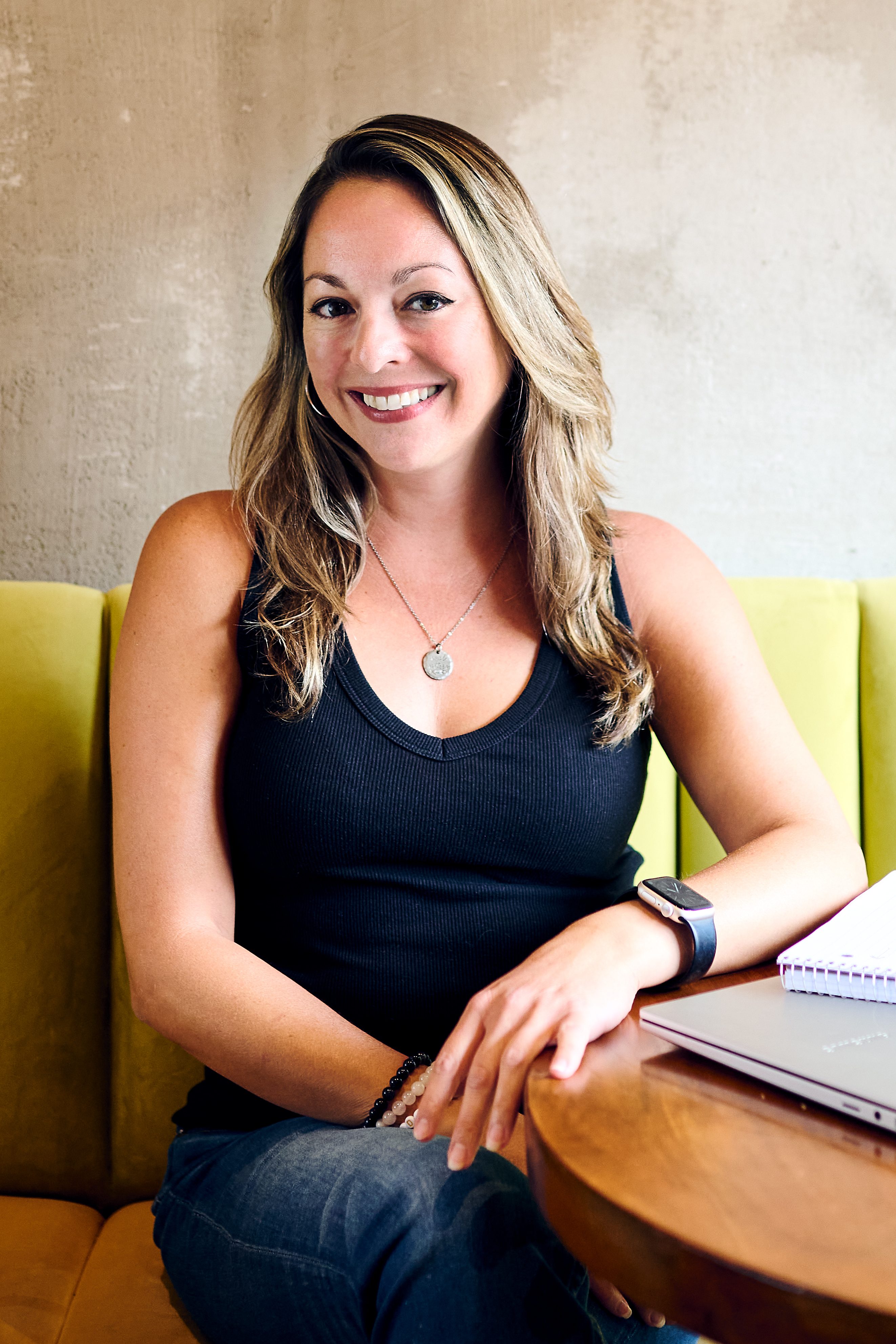
How books, therapists-on-YouTube, and inner work helped me heal after divorce
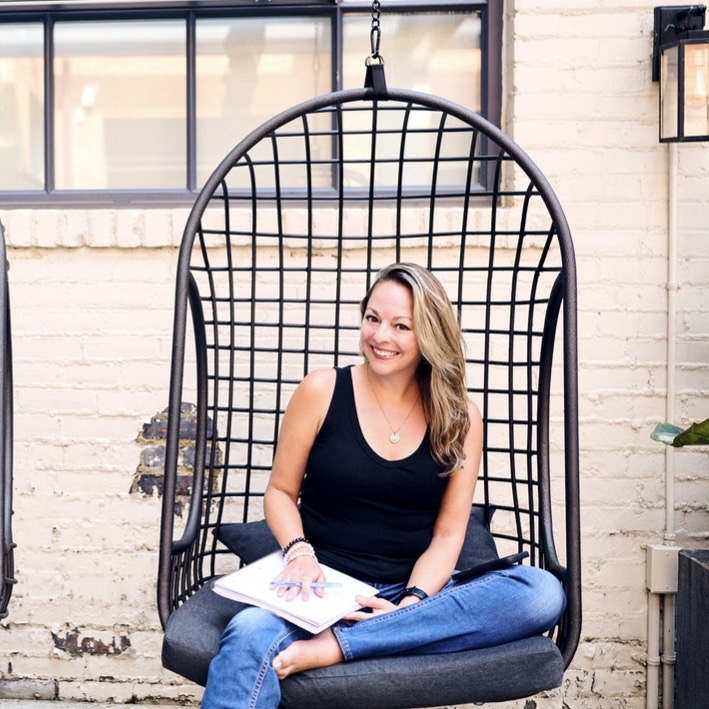
I didn’t just need to heal. I was living in survival mode. During a prolonged and deeply unsettling divorce, I found myself isolated and afraid, with far too much time alone and no choice but to confront what had led me there. What should have been a straightforward ending stretched on. In that limbo, the distractions fell away. The questions I had avoided for years finally demanded attention. How did this keep happening? Why did this relationship feel so familiar? And how did I keep finding myself in the same kind of situation?
I started looking for answers wherever I could find them. Books. Late-night YouTube videos. Things I watched and read that finally made things click. Learning about attachment styles, trauma, and narcissistic dynamics did not bring instant peace, but it did bring clarity. Patterns from my past began to connect in ways I had not been ready to see before. Healing did not arrive as a single breakthrough. It started quietly, through understanding and through the resources that carried me when I could not carry myself yet.
Affiliate disclosure: Some of the links below are Amazon affiliate links. If you choose to purchase through them, I may earn a small commission at no additional cost to you.
Books That Helped Me Make Sense of What I Was Experiencing
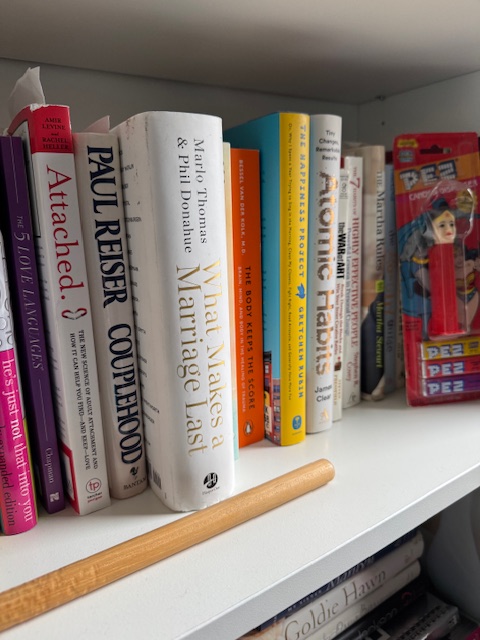
The Body Keeps the Score
This was the first book that truly changed how I understood trauma and myself. It explained why my body reacted the way it did after prolonged stress and fear, even when my mind wanted to move on. Reading this helped me stop fighting my nervous system and start working with it. The fight, flight, freeze, and fawn patterns I had lived with for years finally had context.
If you have experienced trauma in any form, including PTSD, this book can help you understand why your body responds the way it does and why healing often requires more than willpower alone.
Attached
This book helped me understand my attachment style in a way that was both uncomfortable and freeing. I recognized myself immediately as having an anxious attachment style, especially in relationships where I was chasing consistency, reassurance, or emotional safety. What surprised me more was realizing that when I dated emotionally available or genuinely kind partners, I often showed up as fearful avoidant instead. I pulled back. I shut down. I lost interest.
That clarity explained a lot. I had been drawn to emotionally unavailable partners, including men who cheated, lied, or showed strong narcissistic traits, because chaos felt familiar to me. Intensity felt like chemistry. Without realizing it, I kept choosing relationships that mirrored the emotional environment I grew up in. This book helped me see those patterns without shame and understand that attachment styles are learned, not fixed.
If you find yourself repeatedly drawn to relationships that feel intense, confusing, or hard to leave, this book can help you understand why certain dynamics feel familiar and how secure attachment can be built over time.
The Five Love Languages
This book helped me step back and look at relationships in a more practical, grounded way. It gave me language around how people give and receive love, and how easily mismatches can be mistaken for incompatibility or lack of effort. At the time, I did not realize how often I was over-giving in hopes of feeling secure, or how rarely my own needs were being met in return.
Understanding love languages also changed how I thought about communication. Once you know what helps your partner feel seen, heard, and understood, you can show up for them more intentionally. And once you understand your own love language, whether it is touch, words of affirmation, quality time, acts of service, or gifts, you can finally articulate what you want and need instead of hoping someone will just figure it out.
Reading this later in my healing journey helped me understand that love alone is not enough if it is not expressed in ways both people can feel. It also clarified how emotional unavailability can hide in plain sight, especially when effort, consistency, or follow-through are missing but explained away.
If you have ever felt like you were doing everything in a relationship and still felt unseen or unfulfilled, this book can help you identify where disconnects are happening and what you actually need to feel valued and loved.
YouTube Voices That Helped Me Feel Less Alone
Doctor Ramani
Doctor Ramani was one of the first voices that helped everything click for me. Through her work, I began to recognize the narcissistic patterns that had shown up repeatedly in my life and understand how deeply disorienting those dynamics can be. She explains behaviors clearly and calmly, without minimizing the harm they cause or sensationalizing them.
What mattered most to me was the validation. Narcissistic relationships are designed to make you doubt yourself, question your memory, and feel like you are the problem. Watching her content helped me see that the confusion, self-blame, and constant second-guessing were not signs that I was “crazy.” They were normal responses to manipulation, gaslighting, and emotional control.
Her videos also helped me understand how to navigate these personalities more safely, whether that meant setting firmer boundaries, disengaging emotionally, or simply trusting my instincts again. If you have ever left interactions feeling drained, confused, or questioning your own reality, her work can help you name what is happening and remind you that your experience is valid.
Rebecca Zung
Rebecca Zung became an essential resource for me while navigating a divorce with someone I believe exhibited strong narcissistic traits. What stood out immediately was her perspective as both an attorney and someone who clearly understood the emotional and psychological toll of high-conflict relationships. There was a strong “I’ve been there” energy in her approach, which mattered deeply during a time when I felt overwhelmed and destabilized.
Her content helped me understand that divorcing someone with these tendencies is not just a legal process. It is an emotional and strategic one. She explained why logic, fairness, and good faith often fail in these situations, and why staying calm and detached is not cruelty, but self-protection. That framing helped me stop internalizing the chaos and start approaching the situation more deliberately.
During an already traumatic and volatile period, her guidance helped me feel steadier and more prepared. If you are dealing with a divorce that feels unnecessarily combative, draining, or manipulative, her work can help you stay grounded, protect your interests, and remind you that you are not weak for finding this process hard.
Crappy Childhood Fairy
Crappy Childhood Fairy helped me connect dots I had never fully put together before. Through her work, I began to understand how childhood emotional neglect, instability, and family dynamics can quietly shape adult behavior and relationship patterns. Things I had long considered personality flaws or overreactions suddenly made sense in the context of what I had learned to adapt to early on.
Her content also introduced me to the concept of limerence, which was eye-opening. I started to see how emotional unavailability, inconsistency, and intensity had triggered obsessive thinking and attachment in my relationships, not because of love, but because of unresolved trauma responses. That understanding helped me stop romanticizing certain dynamics and start seeing them for what they actually were.
What I appreciated most was her ability to explain these patterns without blame or shame. She made it clear that these coping mechanisms once served a purpose, even if they were no longer serving me. If you find yourself stuck in repetitive emotional cycles, struggling with intrusive thoughts about relationships, or wondering why certain dynamics feel so hard to let go of, her work can help you understand where those patterns began and how to interrupt them.
Thais Gibson (Personal Development School)
Thais Gibson was one of the first places I really learned about attachment styles in a clear, structured way, even before I picked up the books. Her content helped me understand not just what different attachment styles are, but how they actually show up in real relationships, day to day, especially under stress.
What made her work so valuable was how actionable it was. She breaks down anxious, avoidant, fearful avoidant, and secure attachment in a way that feels practical rather than clinical. I began to understand my own patterns more clearly, where they came from, and most importantly, how they could change. Her work reinforced the idea that attachment styles are not labels or life sentences. They are adaptive patterns that can be unlearned and reshaped with awareness and effort.
She also helped me understand how to communicate more effectively with people whose attachment styles are different from mine. Instead of assuming rejection, disinterest, or conflict, I learned how different nervous systems interpret closeness, space, and connection. If you are trying to move toward secure attachment, or struggling to communicate with someone whose needs feel opposite of yours, her work offers practical tools that help bridge that gap.
Patrick Teahan
Patrick Teahan’s work resonated with me because of how openly he shares his own experiences growing up in a dysfunctional and emotionally unsafe environment. There were many parallels to my own childhood, and hearing someone articulate those experiences with clarity and compassion felt deeply grounding.
What stood out most was his calm, steady presence. During a chaotic and traumatic time in my life, his videos felt regulating rather than overwhelming. He helped me reflect on how early family dynamics shape self-worth, boundaries, and relationship patterns later in life, without making it feel heavy or hopeless.
His perspective reinforced something I was already beginning to understand. Healing does not always come from consuming more information. Sometimes it comes from feeling seen and realizing that what you lived through mattered, even if you normalized it for years. If you are unpacking childhood experiences and trying to understand how they still show up in your adult life, his work offers insight delivered with patience, empathy, and care.
Taken together, these voices helped me understand myself from multiple angles. Some offered clarity. Some offered validation. Others offered tools or simply a sense of calm when everything felt overwhelming. I didn’t absorb all of this information at once, and I didn’t apply it perfectly. But each resource met me where I was at different points along the way, helping me make sense of what I was experiencing and reminding me that healing was possible, even when it felt slow or uncertain.
Healing didn’t happen all at once for me, and it didn’t happen because I found the “perfect” resource. It happened slowly, through small moments of clarity that added up over time. A book that finally explained what my body was doing. A video that made me feel less alone. Language that helped me stop blaming myself and start understanding my patterns.
If you’re in the middle of your own hard season, I hope something here helps you feel a little more grounded, a little more validated, or a little less alone. You don’t have to do all the work at once. Start where you are, take what resonates, and leave the rest.
And if there are books, YouTube channels, or resources that supported you through a difficult chapter, I’d love to hear them. We heal better when we share what helped.
xoxo,
Leah
 Leah Haslage
I’d love to hear from you!